The day I got released - twice - and what nobody tells you about it
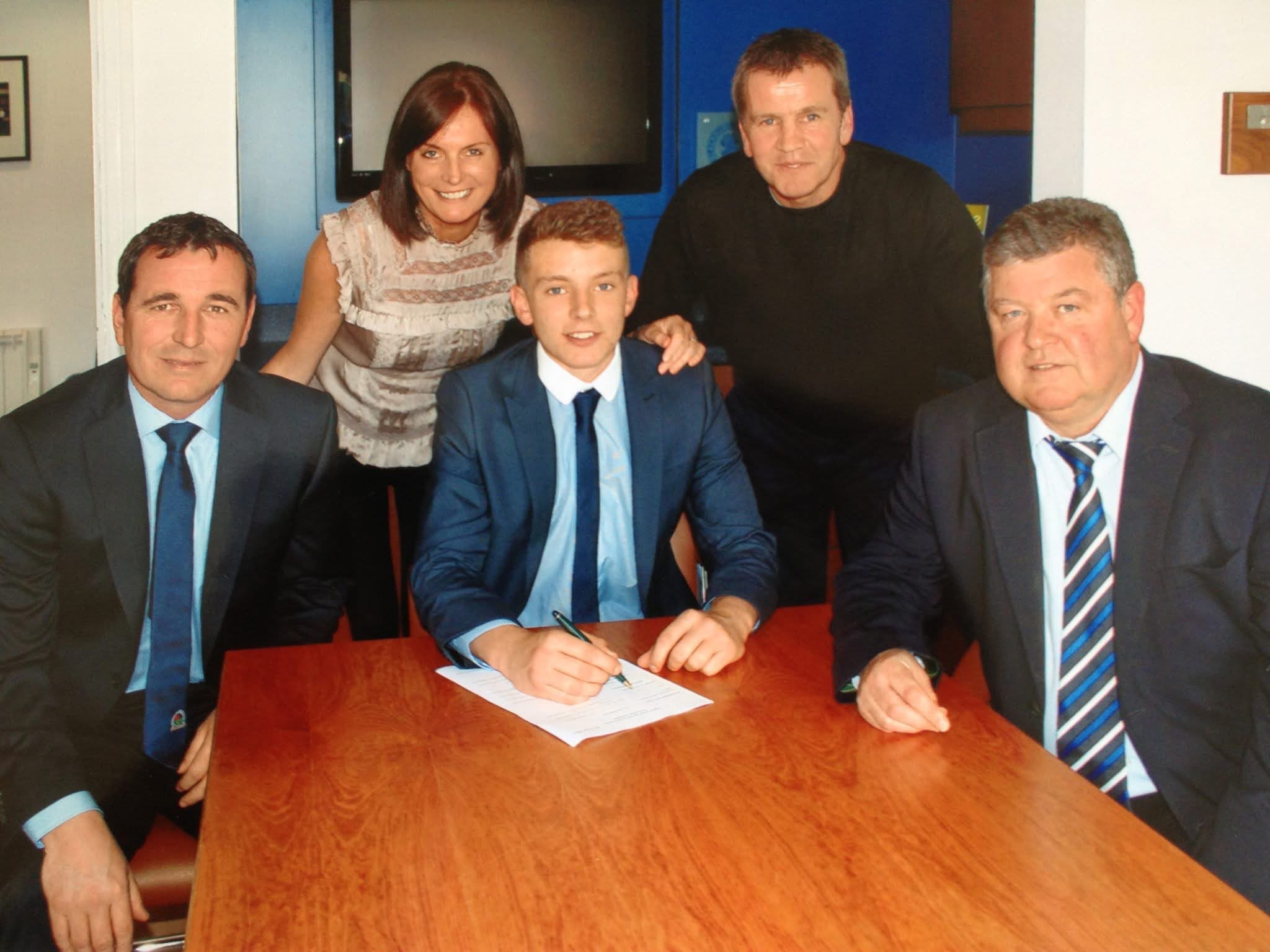
I joined Blackburn Rovers when I was eight years old. For twelve years, that club was my life - my mates, my identity, my whole plan for the future. Then one day, near the end of the 2015–16 season, it was over. Released. I was nineteen.
People talk about being released like it's a line on a CV. A club and a set of dates. It isn't. It's the moment the thing you've organised your entire life around turns round and tells you it doesn't want you anymore. And when you've never known anything else, you don't hear "we're going in a different direction." You hear "you're not good enough."
I spent the next year on trial. Turning up at clubs, trying to prove myself in a week to people who didn't know me, driving home not knowing if I'd done enough. I signed for Bolton for the 2016–17 season and thought I'd landed on my feet. Then they didn't retain me either. Two releases before I'd even turned twenty-one.
Here's what nobody tells you about that period. It's not just the football you lose. It's the routine, the structure, the identity, the sense that you're on a path. All of it goes at once, and you're expected to just crack on and find the next thing like nothing happened. Most lads do it in silence, because admitting it's knocked you feels like admitting you were never cut out for it in the first place.
I wish someone had sat me down and told me the truth: that being released doesn't mean your story's finished, and that the way you feel in those first few weeks is not a verdict on you as a person. It took me years, and a lot of hard lessons, to work that out for myself.
That's a big part of why Beyond The Pitch exists. If you're going through a release right now, you're not weak and you're not finished. You just haven't had anyone in your corner who's actually been there. That's the bit I can help with.
Latest insights and trends


Let's have a conversation.
Player, parent, club or school - the first chat is free, private, and comes with no pressure. Tell me what's going on and I'll come back to you personally.