The Things No One Talks About Being Injured
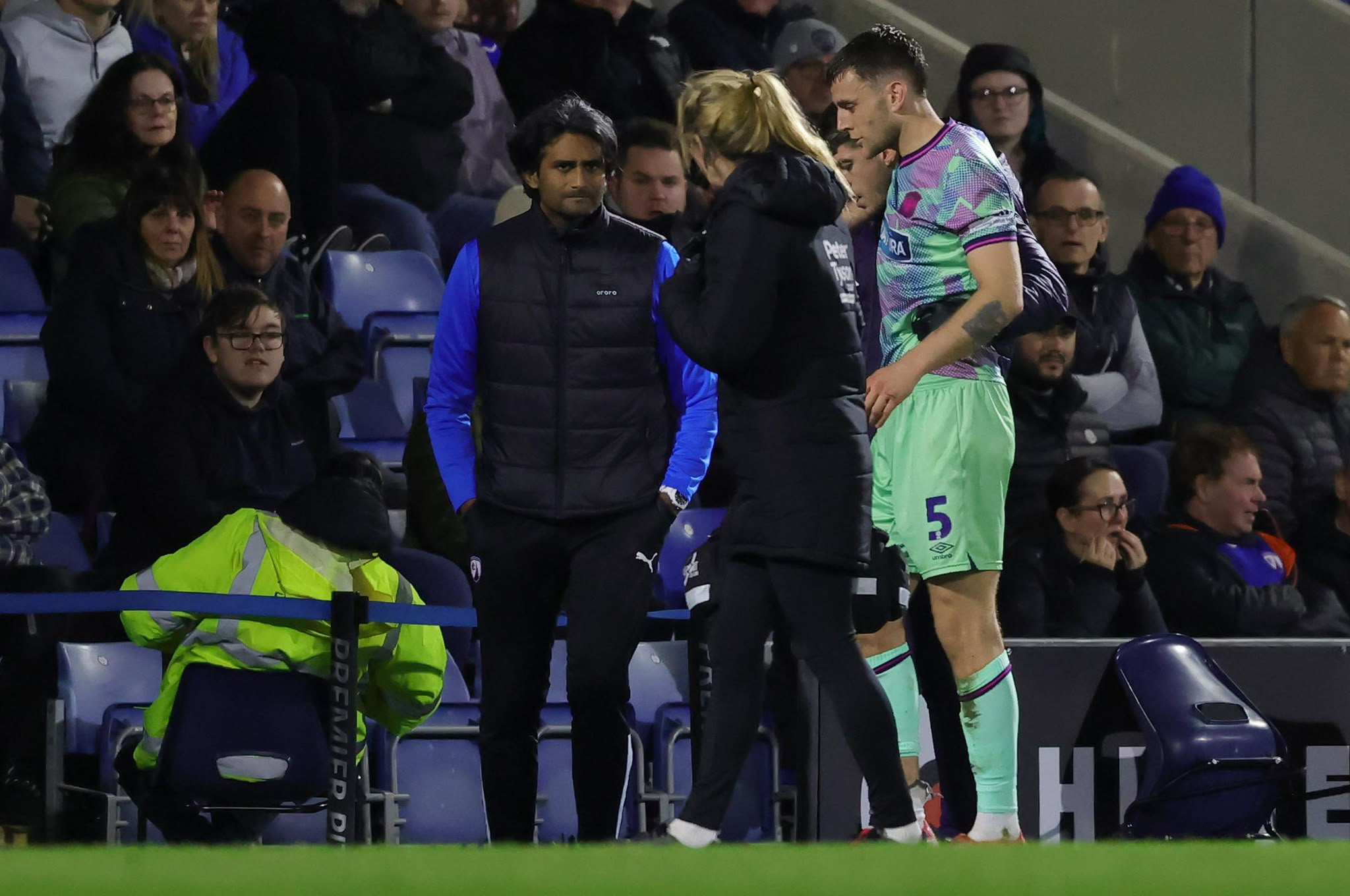
You can still improve a very important part of your game when you’re injured. Your mental strength.
When people talk about football injuries, the conversation usually revolves around the physical side of things.
How bad is it? How long are you out for? Will you need an operation? When can you return to training?
These are all important questions, but they only tell part of the story.
We understand because we have been through it and understand what helps and what doesn’t.
You can start to feel invisible
When you're fit and training every day, you're part of the group. You're involved in sessions, conversations, team meetings and all the little interactions that come with being around your teammates and staff.
When you're injured, some of that changes.
You might notice that the manager speaks to you less. The staff might not joke around with you as much. You're no longer involved in the same conversations or working towards the same immediate goal as everyone else.
Nobody has necessarily decided to leave you out. Football is a busy environment, and people naturally focus on the players who are available and preparing for the next game.
But when you're the one on the sidelines, you notice those changes.
You can go from feeling like an important part of the group to feeling like you're watching it all happen from the outside.
Every conversation becomes about your injury
When you see your teammates throughout the day, one of the first things they might ask is how your injury is going.
That's a good thing. It shows they care, and you appreciate them asking.
But when you have the same conversation several times a day, it can become frustrating.
"How's the knee?"
"Getting there, mate."
"When are you back?"
"Not sure yet."
You might have that conversation with five different people before lunchtime.
Eventually, you can feel like your injury has become your identity. You're no longer just another player in the building. You're the injured player.
And sometimes, you just want to talk about something else. You want to have a laugh, talk about football or discuss what happened at the weekend without being reminded of the thing that's keeping you out.
People care, but they don't always know what to say
I don't think most teammates deliberately ignore how an injured player is feeling. I think a lot of the time, they simply don't know how to approach it.
They might want to ask how you're coping, but worry about saying the wrong thing. They might recognise that you're struggling but feel awkward bringing it up.
So they stick to what they know: the injury, the recovery and the return date.
And that's understandable.
Your identity can take a hit
For a lot of professional footballers, football isn't just a job. It's something you've worked towards for most of your life.
Your routine, your friendships, your confidence and the way you see yourself can all be tied to playing.
When that is taken away, even temporarily, you can be left wondering where you fit in.
You might feel frustrated watching everyone else train. You might compare your recovery to other players. You might worry about losing your place or wonder how long it will take to get back to your best.
And because the physical recovery is so visible, it's easy to focus entirely on that.
But getting your body fit again and looking after yourself mentally aren't necessarily the same thing.
You can be making progress in the gym while struggling with everything going on in your head.
Both deserve attention.
You're still a person before you're a player
Being injured is difficult enough without feeling disconnected from the people around you.
The physical recovery will always be important. Players need good medical care, the right rehabilitation and a clear plan to return to the pitch.
But they also need to feel valued, included and supported while they're out.
Because when a player gets injured, they haven't stopped being part of the team. They haven't stopped being themselves. And they certainly haven't stopped being human.
At Beyond The Pitch, we believe supporting the person behind the player matters just as much when they're injured as it does when they're playing. We are here to listen and support when in a way that’s different from your club, teammates or at home.
We understand because we have been through it and understand what helps and what doesn’t.
Latest insights and trends


Let's have a conversation.
Player, parent, club or school - the first chat is free, private, and comes with no pressure. Tell me what's going on and I'll come back to you personally.